
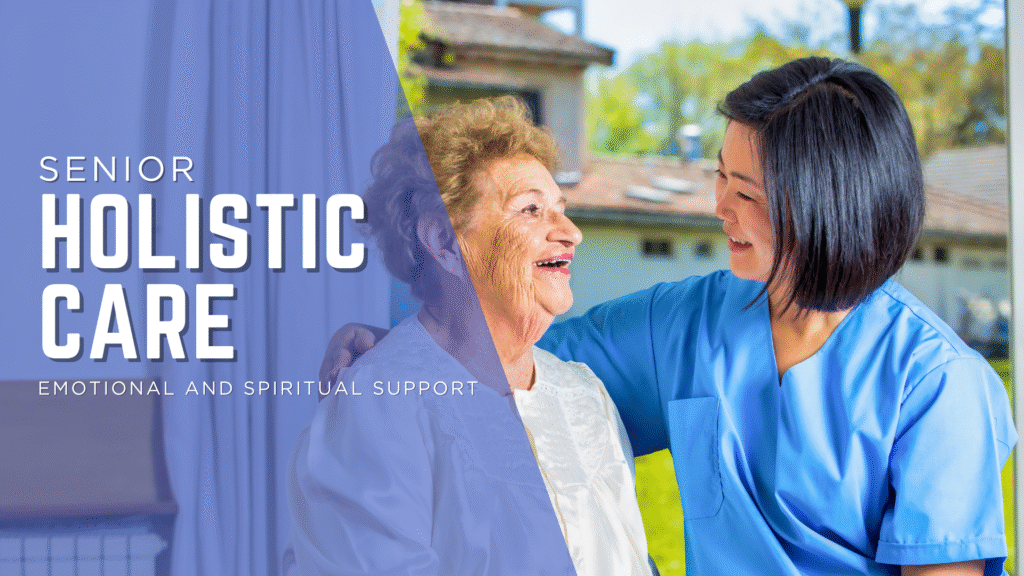
When caring for someone at home, meeting physical needs is only one part of the process. Emotional and spiritual support also plays a big role in helping individuals feel calm, valued, and understood. Many people who receive home care face emotional struggles such as fear, sadness, or loneliness. Others may wonder about the meaning of their life, especially if they are dealing with a serious condition or the effects of aging. By giving attention to these deeper needs, caregivers can create a more peaceful and comforting environment.
Emotional and spiritual support involves kindness, listening, and respect for personal beliefs. It is not about offering perfect answers. Instead, it is about being there with a caring presence. A warm voice, gentle touch, or quiet conversation can provide a sense of relief. When a person feels cared for in this way, they often respond with more trust and peace of mind. This support can make a big difference in the daily life of someone receiving care at home.
What Emotional and Spiritual Support Means
Emotional support involves helping someone feel safe, accepted, and cared for. It often includes simple acts such as sitting beside someone, listening to their thoughts, or asking how they are feeling. These actions might seem small, but they offer comfort and allow the person to feel heard. When someone is going through a difficult time, knowing that someone is truly present with them brings a great sense of comfort.
Spiritual support, on the other hand, refers to the care of someone’s inner beliefs or sense of peace. It is not always connected to religion. It may involve faith, connection to nature, family values, or personal reflections. The goal is to help the person feel centered and connected to something meaningful in their life. Providing spiritual support can include helping them pray, talking about life’s meaning, or simply allowing quiet time to reflect. These moments help the individual cope and feel more complete.
Together, emotional and spiritual support helps people stay strong inside, even when they are facing pain or uncertainty. Both types of care go beyond the physical and connect to the heart and mind.
Why This Support Matters at Home
People who stay at home while receiving care often deal with many changes in their daily life. They may no longer do the things they once enjoyed or see the people they used to spend time with. These changes can lead to feelings of sadness, frustration, or fear. Care that focuses only on physical needs might not address these emotional struggles. That is why adding emotional and spiritual care is so helpful.
When someone receives support that touches their emotions and beliefs, it can improve their overall well-being. They may sleep better, feel less anxious, and even become more open to receiving help. It also reminds them that they are still respected, even as their abilities change. Knowing that their feelings and values matter gives them a sense of dignity.
Caregivers also find benefits in offering this kind of support. It builds a deeper connection between them and the person they care for. Daily tasks can feel more meaningful when done with kindness and understanding. A peaceful home setting also lowers stress for everyone involved, making caregiving a more positive experience.
Providing Emotional Support in Everyday Life

Offering emotional support does not require professional training. Most of the time, it begins with simply being present. Making eye contact, showing patience, and truly listening to the person are very effective ways to connect. When someone talks about their feelings, it is important to avoid quick advice or judgment. Just allowing them to speak can be a form of healing.
To offer effective emotional support, caregivers can:
