
Hospice at home is a specialized care service provided to individuals with a terminal illness who choose to remain in the comfort of their home during the final stage of life. Instead of continuing treatments aimed at curing disease, the focus of care shifts toward relief from pain, symptom control, and emotional support.
This form of care is delivered by a professional team trained to address both medical and personal needs. It enables patients to remain in familiar surroundings, maintain dignity, and receive care that aligns with their preferences and beliefs.
Hospice at home also supports families by reducing their caregiving burden and providing guidance throughout a difficult period. This article explains how hospice at home works, the services involved, and why many people choose it as an end-of-life care option.
How Hospice at Home Works
Hospice care at home begins with a referral from a physician, usually when the patient has a life expectancy of six months or less if the illness runs its usual course. Once referred, a hospice care team meets with the patient and family to assess needs and create a personalized care plan.
The care plan includes visit schedules, medication needs, and personal assistance. A nurse usually coordinates the team, which may include a physician, social worker, home health aide, spiritual counselor, and trained volunteers. Each member plays a specific role in supporting the patient’s comfort and the family’s well-being.
This team visits the home regularly based on the care plan. Services may increase in frequency as the patient’s needs grow. Families also have access to 24/7 on-call support for urgent concerns. Most of the care provided is palliative, aiming to ease physical discomfort while also offering emotional and spiritual care.
Hospice care continues to adjust as conditions change, ensuring the patient and family receive consistent and appropriate support.
Services Provided in Home Hospice
The services delivered through hospice at home are tailored to individual needs. The goal is to keep the patient comfortable while helping the family feel supported and prepared.
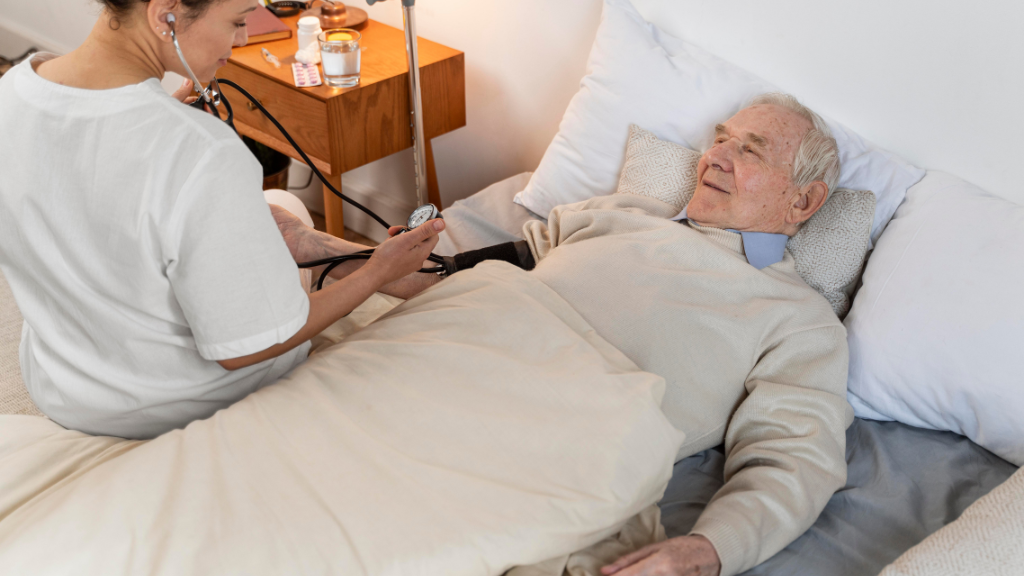
Services typically include:
- Pain and symptom management: Medication and treatments are given to reduce discomfort from physical symptoms such as pain, shortness of breath, or nausea.
- Personal care: Home health aides assist with bathing, grooming, and basic hygiene.
- Medical equipment and supplies: Hospital beds, oxygen machines, walkers, and other necessary tools are provided and maintained by the hospice team.
- Medication delivery: Medications related to the terminal illness are delivered to the home, along with instructions for safe use.
- Counseling and spiritual support: Social workers and chaplains offer emotional guidance and address spiritual questions or needs.
- 24-hour emergency support: On-call nurses are available to assist during sudden changes or crises.
These services are fully coordinated, and the hospice team ensures that everything is delivered on time and in line with the care plan.
Why Families Choose Hospice at Home
Many families prefer hospice at home because it allows their loved one to remain in a familiar and peaceful setting. It reduces the stress and disorientation that often come with hospital stays and provides more time for meaningful interaction.
Families also find comfort in being directly involved in their loved one’s care. With the guidance of professionals, they can manage daily needs with confidence and emotional preparedness. In addition, the flexibility of home care allows routines and personal preferences to be respected.
Patients often express a desire to spend their final days at home, where they feel most at ease. Hospice at home honors that wish while ensuring safety and professional care are always present.
What Families Can Expect During Home Hospice Care
When home hospice care begins, the care team establishes regular visits and clear communication with the family. A registered nurse is typically the main point of contact, monitoring the patient’s condition and adjusting care as needed.
Families are guided in tasks such as giving medications, supporting mobility, and observing changes in condition. Home health aides provide personal care assistance during visits. Social workers and chaplains may also visit to offer counseling or spiritual guidance.
The hospice team will explain signs that the patient’s condition is changing and help prepare the family for the final stages. Support continues even after death. Bereavement services are offered for a period following the loss, helping families manage grief and transition into daily life.
Addressing Common Misunderstandings
Many people hesitate to choose hospice due to misconceptions. Understanding the facts can help families make informed decisions.
- Hospice is not limited to cancer patients. It is available to individuals with various conditions, including heart failure, advanced dementia, and chronic lung diseases.
- It does not mean giving up. Hospice focuses on improving quality of life rather than extending it at any cost.
- Hospice care does not end when the patient dies. Support for family members continues through grief counseling and follow-up communication.
- Families are not alone. The hospice team offers training and is always available to assist with care needs or emergencies.
By clearing up these myths, more people can take advantage of the support and comfort hospice offers earlier in the process.
How to Begin Hospice at Home
Starting hospice at home involves a few key steps:
- Consult with the patient’s physician to confirm eligibility and get a referral.
- Choose a licensed hospice provider, often with the help of a hospital or primary doctor.
- Schedule an in-home visit to assess needs and establish a care plan.
- Set up supplies and equipment provided by the hospice organization.
Once services begin, the hospice team works closely with the patient and family. They monitor progress, provide education, and ensure the plan is working as intended. Adjustments are made based on feedback and changes in health status.
Beginning hospice care early often results in better outcomes and more time for families to prepare and spend meaningful time together.
Conclusion
Hospice at home allows patients to live with dignity, comfort, and peace in the place they know best. It reduces pain, provides emotional and spiritual support, and guides families through one of life’s most difficult moments. With a trusted team and a detailed care plan, hospice at home helps patients and their loved ones feel more prepared and less overwhelmed.
Choosing hospice is not about surrendering hope; it is about focusing on what matters most: comfort, respect, and time with the people we love. Families who use hospice services often report high levels of satisfaction and peace of mind, knowing their loved one was cared for with compassion and professionalism.
