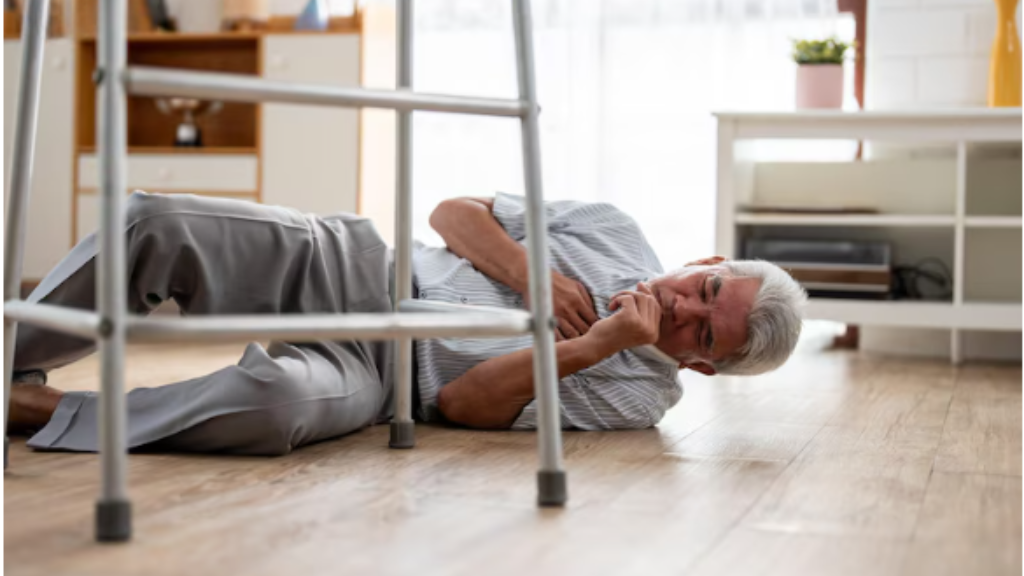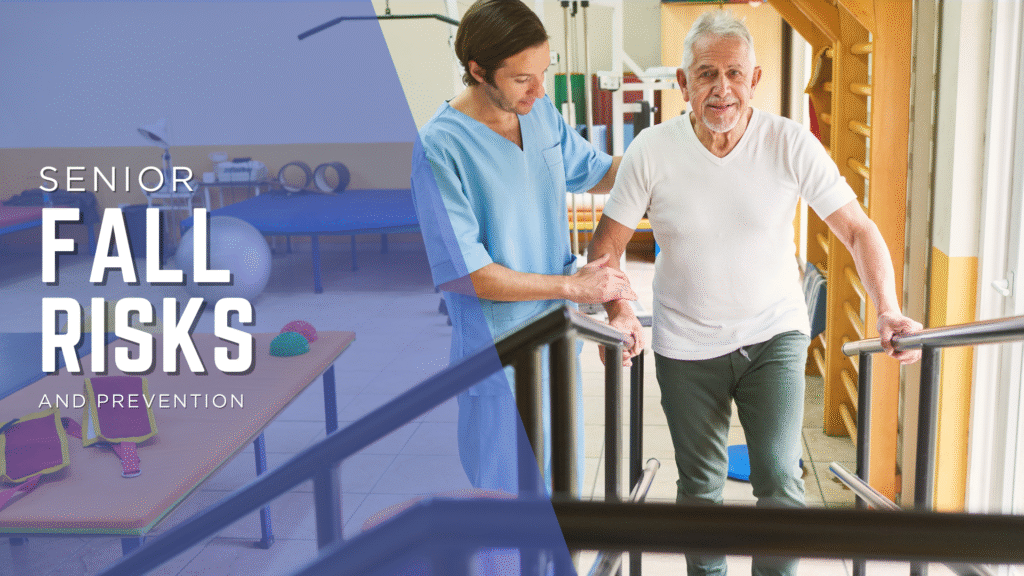
Falls are not just accidents. They often signal that something in a senior’s health, home, or daily routine needs closer attention. As people grow older, even small changes in balance or strength can lead to serious consequences. A fall may cause broken bones, loss of independence, or fear of moving freely. However, with the right information and practical steps, many falls can be prevented. This article explores the common causes of falls in older adults, the warning signs to look out for, and the ways families can help create a safer environment. Understanding these risks is an important part of caring for aging loved ones.
Why Falls Are a Serious Problem for Older Adults
Falls are one of the most common causes of injury among people aged 65 and older. A simple trip or slip can lead to broken bones, head injuries, or long hospital stays. Falls can also reduce a senior’s confidence, making them less active and more dependent on others. Over time, this lack of movement can weaken the body and increase the chance of another fall. Most importantly, many falls are avoidable with proper planning and awareness. Preventing falls means protecting health, independence, and quality of life.
Common Reasons Why Seniors Fall
As people age, changes in the body can affect balance, strength, and coordination. Weak muscles, joint pain, and poor eyesight make it harder to move safely. Many older adults also take medications that can cause dizziness or drowsiness. Health conditions such as Parkinson’s disease, stroke, or diabetes can also increase fall risk. Often, the home environment adds to the danger, especially if it has poor lighting or loose rugs. Knowing what causes falls helps families take action early.
Warning Signs You Should Not Ignore
There are often clues that a senior is at higher risk of falling. Past falls or even near-falls are strong indicators that something is wrong. A sudden fear of walking, holding onto walls or furniture, or moving slower than usual are also warning signs. If a person avoids certain rooms or refuses to go outside, they may be afraid of falling again. These signs should not be dismissed or viewed as just part of aging. Addressing them early can prevent serious accidents.
Simple Ways to Make the Home Safer
Making the home safer is one of the most effective ways to prevent falls. The key is to remove things that can cause slips or trips. Here are changes that can make a big difference: