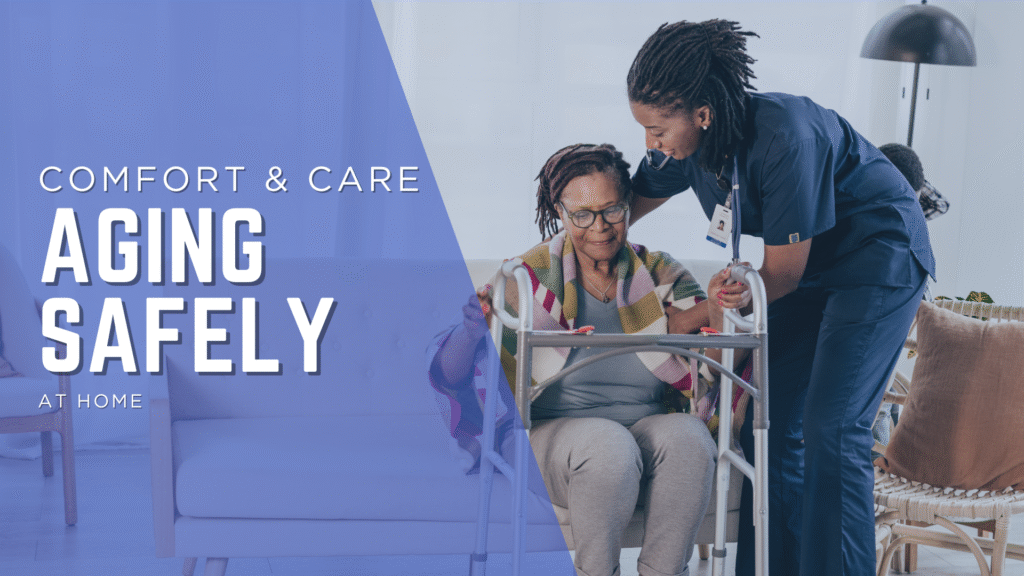
More seniors today are choosing to stay in their own homes as they grow older. This option, often called “aging in place,” provides a sense of comfort and control that is not always possible in a facility or nursing home. Home is where routines are familiar, memories are cherished, and independence is easier to maintain. While aging at home can be a fulfilling and practical choice, it requires thoughtful planning to ensure that the senior’s environment remains safe, comfortable, and supportive.
To help make this lifestyle both possible and sustainable, families need to consider adjustments in the home, assess daily care needs, and understand the emotional and social support their loved one may require. In this blog, we will explore the benefits of staying at home, offer practical suggestions for making the home safer, and highlight important steps families can take to support aging loved ones in a respectful and dignified way.
The Benefits of Staying at Home
Many older adults feel more secure and emotionally balanced when they remain in their own homes. The familiarity of the environment brings peace of mind and allows seniors to continue daily routines that bring them comfort. They can eat when they like, wake up at their usual time, and enjoy personal hobbies without needing to adjust to the rules of a care facility.
Aging in place also helps preserve independence, which is closely tied to self-esteem and emotional health. When seniors are able to make their own choices and continue managing certain aspects of their lives, they often experience more satisfaction and a stronger sense of purpose. Additionally, aging at home can be more affordable than moving to a long-term care facility, especially when family members assist with daily tasks.
Home is also where social ties are strongest. Familiar neighbors, local churches, and community groups provide comfort and connection. These networks of support make it easier for seniors to remain active and emotionally engaged as they age.
Creating a Safe and Comfortable Home Environment
As people grow older, their physical needs often change. Mobility can become limited, eyesight may decline, and strength or balance may decrease. A safe home environment must take these changes into account. Making the home more accessible and reducing risks can prevent accidents and help seniors stay independent longer.
Here are practical steps families can take to improve safety at home:
- Remove clutter, loose rugs, and electrical cords from walking paths
- Install grab bars in the bathroom near the toilet and inside the shower
- Use non-slip mats in bathrooms and kitchens
- Improve lighting in stairways, entry halls, and outdoor areas
- Place night lights in bedrooms and bathrooms for better visibility
- Make sure frequently used items are stored within easy reach
- Consider installing a medical alert system for emergencies
These changes can reduce the risk of falls and injuries, allowing seniors to move around the house with more confidence and ease.
Essential Home Care and Support Services
While aging at home provides many benefits, some older adults may need assistance with daily tasks. These needs can vary depending on the individual’s health, mobility, and cognitive abilities. Help may be needed occasionally or on a regular basis, and the type of support required may change over time.
Home care services include a wide range of assistance. Personal care providers can help with bathing, dressing, and grooming. Home health nurses may visit to check vital signs, manage medications, or provide wound care. Physical therapists can help with exercises to improve balance and mobility.
Nutrition is also important. Seniors may struggle to cook or remember to eat balanced meals. Meal delivery services, grocery delivery, or help from family members can ensure that nutritious food is available. Additionally, pill organizers, medication alarms, or caregiver reminders can help prevent missed doses or medication errors.
By arranging the right kind of support, families can ensure their loved ones are safe and well cared for without removing them from the comfort of their home.
Supporting Social and Mental Well-Being
Emotional and mental health are essential components of successful aging. Seniors who feel isolated or disconnected are more likely to experience depression, anxiety, or cognitive decline. Aging at home should not mean living in solitude.
Maintaining social connections can be as important as medical care. Regular visits from family and friends bring comfort and companionship. For seniors who are mobile, attending religious services, community events, or club meetings can provide a sense of belonging. Even small social interactions—such as chatting with a neighbor or speaking with a grocery delivery person—can brighten someone’s day.

Keeping the mind active also supports brain health. Encourage hobbies like reading, crossword puzzles, painting, or gardening. Simple activities like listening to music or watching favorite shows can provide comfort and joy. Technology such as video calls or messaging apps helps seniors stay connected with relatives, especially when travel or distance makes in-person visits harder.
By encouraging both social interaction and mental stimulation, families can help seniors feel valued, engaged, and emotionally fulfilled.
Managing Costs and Legal Planning
Although aging at home can be more affordable than assisted living, there are still important financial and legal considerations. Planning early helps prevent stress and confusion later on. Creating a clear plan can also ensure the senior’s wishes are respected and their needs are met.
Here are some important steps:
- Prepare a monthly budget that includes caregiving, medical supplies, home modifications, and transportation
- Explore assistance options like Medicare, Medicaid, veterans’ benefits, or local programs for seniors
- Draft legal documents such as a will, durable power of attorney, and advance healthcare directive
- Organize all important documents in one accessible location and share the location with trusted family members
- Revisit plans each year to adjust for changes in health, care needs, or financial circumstances
Having these systems in place protects the senior’s assets and preferences while giving the family greater peace of mind.
The Role of Family in Home-Based Aging
Family involvement is often the foundation of successful aging at home. Even when professional caregivers are involved, family members provide emotional support, companionship, and advocacy. A shared effort helps ensure the senior receives the care they need while feeling loved and respected.
Families can work together to divide responsibilities. Some may handle medical appointments, others may manage finances, while someone else provides meals or helps with chores. Open communication is key to avoiding misunderstandings and making sure everyone’s efforts are coordinated. Using a shared calendar or caregiving app can help organize visits and track tasks.
It is also important to involve the senior in decision-making whenever possible. Asking for their input shows respect and helps them feel more in control. When family members work as a team and stay flexible, the care process becomes smoother and more manageable for everyone.
Conclusion: Aging at Home with Confidence and Care
Aging at home is not just about staying in a house; it is about maintaining comfort, dignity, and control over one’s life. With thoughtful planning, home safety modifications, and the right mix of care and support, seniors can enjoy their later years with confidence. Families who take time to prepare, communicate openly, and work together create a strong foundation for their loved one to thrive.
Choosing to age in place allows seniors to hold onto what matters most: the comfort of home, the presence of loved ones, and the freedom to live on their own terms. When done with care, aging at home becomes a fulfilling and meaningful journey.
