
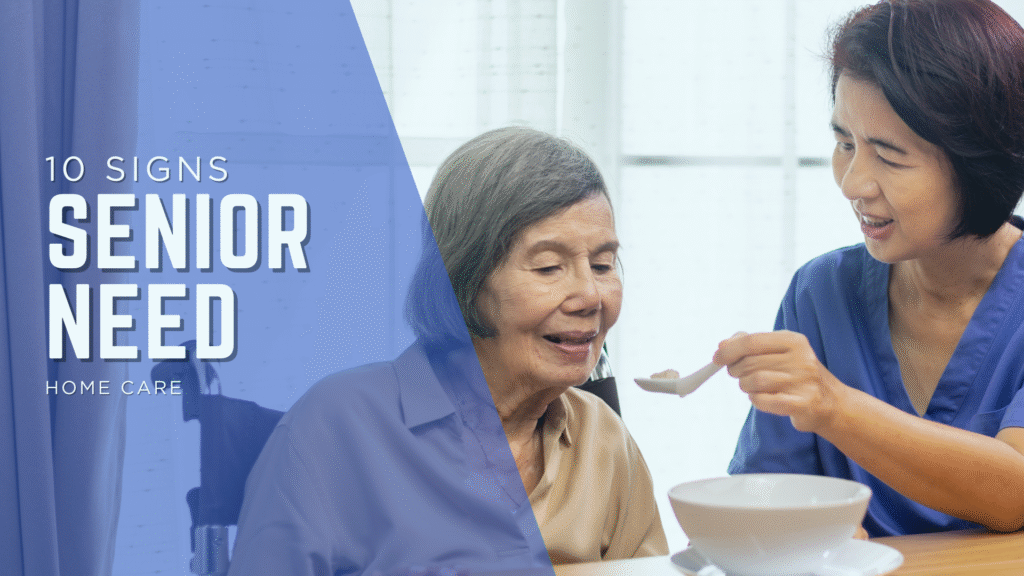
Home care services help individuals maintain safety, health, and dignity while remaining in the comfort of their own homes. For families, deciding when to seek help is often difficult, especially when a loved one appears independent but is quietly struggling. Recognizing early warning signs allows you to act before a situation becomes critical.
Below are ten key indicators that home care support may be appropriate. Each point reflects specific changes in behavior, health, or daily functioning that require attention.
1. Unintentional Weight Loss or Irregular Eating Habits
If a loved one appears thinner, weaker, or unusually tired, inadequate nutrition may be a factor. Seniors living alone often skip meals due to memory issues, mobility limitations, or lack of interest in cooking. In some cases, poor vision or declining taste also contribute.
Home care services can provide meal planning, grocery assistance, and cooking support. This ensures consistent nutrition and reduces health risks associated with malnourishment.
2. Difficulty Performing Daily Personal Tasks
Activities of Daily Living (ADLs) include bathing, dressing, grooming, and toileting. Struggling with these tasks suggests declining independence. You may notice your loved one wearing the same clothes for several days or avoiding showering due to physical discomfort or fear of falling.
Professional caregivers are trained to assist with ADLs while preserving privacy and respect. Their presence helps prevent complications such as infections, skin conditions, or hygiene-related discomfort.
3. Medication Mistakes or Missed Health Appointments
Managing multiple prescriptions requires attention to timing and dosage. Missed doses, expired medications, or confusion about which pills to take may indicate cognitive decline or lack of organizational support.
Similarly, forgetting or avoiding medical appointments can result in delayed diagnoses or unmanaged conditions. A caregiver can help by providing medication reminders, organizing pills, and coordinating transportation to clinics or pharmacies.
4. Noticeable Memory Impairment or Confusion
Frequent forgetfulness, repetitive questions, or disorientation about time and place may point to cognitive issues, including early-stage dementia. These symptoms can compromise safety, especially if the individual forgets to lock doors, turn off appliances, or manage finances.
In-home caregivers can offer supervision, guide daily routines, and create structured environments that reduce stress and confusion. This support is particularly important during the early stages of cognitive decline.
5. Emotional Withdrawal or Mood Instability
Significant changes in mood, personality, or energy levels often signal emotional distress. A previously social individual may withdraw from conversations, avoid phone calls, or express feelings of hopelessness. Irritability or emotional outbursts may also emerge.
These behaviors may be linked to isolation, depression, or anxiety. Regular interaction with a caregiver can provide emotional support and reduce loneliness. Caregivers are also trained to recognize mental health concerns and report them when professional evaluation is needed.
6. Unsafe Behavior or Reduced Judgment
Safety concerns arise when individuals begin acting in ways that increase their risk of harm. Leaving a stove on, allowing strangers into the home, or wandering outside without purpose are signs that supervision may be necessary.
Home care staff can ensure that home environments are safe and secure. They are also equipped to intervene in risky situations without restricting autonomy unnecessarily.
7. Mobility Limitations or Increased Fall Risk
Mobility issues become more common with age and are a leading cause of injury. If your loved one uses furniture for balance, hesitates when standing, or has experienced recent falls, their environment may no longer be safe without assistance.
Caregivers can help with safe transfers, walking support, and light exercises that promote balance. Their presence also reduces the risk of fall-related hospitalizations.
8. Neglected Personal Hygiene and Grooming
Changes in appearance may indicate that your loved one can no longer manage grooming tasks. This may include unwashed hair, dental neglect, or the repeated use of soiled clothing. Reasons range from limited mobility to forgetfulness or a fear of slipping in the bathroom.
Home care professionals offer dignified personal care. Their services help individuals maintain self-esteem and prevent the health issues associated with poor hygiene.
9. Lack of Social Interaction or Purposeful Engagement
Isolation can lead to both mental and physical decline. If a loved one no longer engages in hobbies, avoids social situations, or spends most of the day alone, this can be harmful over time. Loss of purpose often contributes to depression and cognitive decline.
Caregivers provide regular companionship and can encourage participation in hobbies, conversations, or safe outings. This interaction promotes emotional balance and reduces feelings of isolation.
10. Family Caregiver Burnout or Emotional Strain
When a family caregiver experiences fatigue, resentment, or emotional overwhelm, the quality of care may decline. Warning signs include sleep disruption, missed work, or chronic stress.
Introducing professional home care reduces pressure on family members, allowing them to maintain their own health and relationships. It also ensures the loved one receives consistent and trained support.
Taking the Next Step
If several of these signs apply to your situation, it may be time to consider professional home care. Begin by discussing concerns with your loved one in a calm and respectful manner. Consulting a physician can also help assess medical needs and recommend appropriate care levels.
Home care services are flexible and can be tailored to specific needs, from part-time assistance to full-time personal care. Many providers offer initial consultations to determine the best support plan.
Conclusion
The decision to pursue home care should be guided by clear observations and informed judgment. When health, safety, and emotional well-being are at risk, early intervention can prevent further complications and improve quality of life.
These ten signs help families recognize when care is no longer optional but necessary. By responding early and choosing reliable support, your loved one can remain at home with the dignity, independence, and security they deserve.
