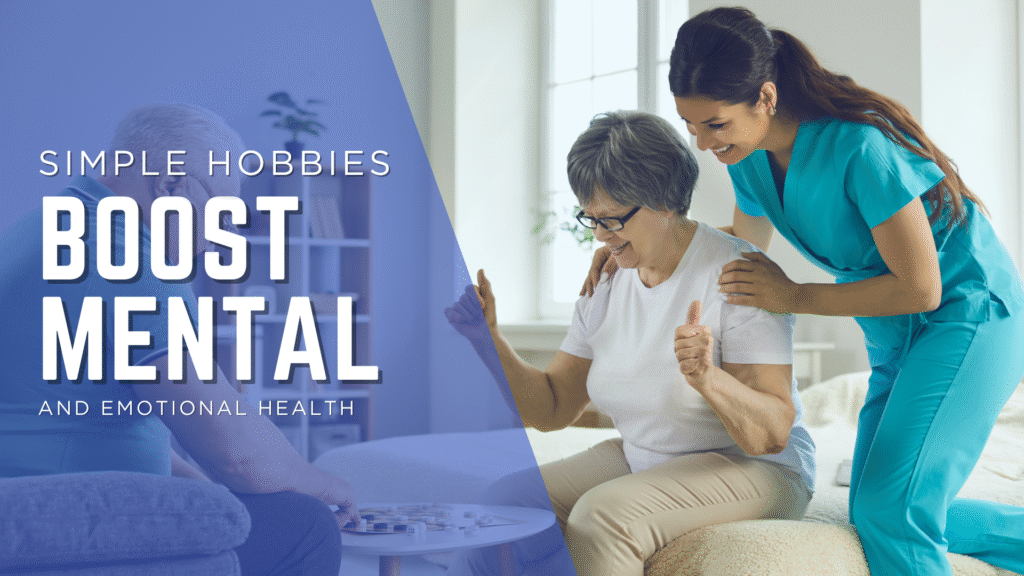
As people grow older, their daily routines and social environments often change. These shifts can affect mental alertness and emotional well-being. Simple hobbies can help older adults stay connected to their interests, stimulate their minds, and create a more positive outlook on life. Whether it’s a creative task, light exercise, or a quiet pastime at home, hobbies provide more than enjoyment. They offer meaningful ways to support a healthy, balanced lifestyle, especially during retirement or periods of adjustment.
How Hobbies Help the Mind and Emotions
Hobbies are more than just fun distractions. They serve as powerful tools to improve mood, boost confidence, and strengthen mental sharpness. When older adults regularly engage in activities they enjoy, it helps reduce feelings of loneliness and boredom. These activities also give them a sense of structure and purpose.
Many hobbies challenge the brain by encouraging focus, problem-solving, or learning. At the same time, they can ease emotional stress by offering calm, joyful moments throughout the day. Even when done alone, hobbies provide comfort, helping seniors feel more grounded and in control. A regular hobby, no matter how small, can give each day more meaning and fulfillment.
Creative Hobbies That Stimulate the Mind
Creative activities are excellent for older adults who want to stay mentally active while also expressing their thoughts and feelings. These hobbies help sharpen memory, improve fine motor skills, and encourage emotional release. They are often quiet and can be enjoyed in a relaxed setting.
Here are some creative hobbies that support both mental and emotional wellness:
- Drawing or painting helps express personal experiences or feelings through color and form.
- Writing in a journal encourages reflection, boosts memory, and provides emotional relief.
- Coloring books designed for adults can reduce stress and offer a calming routine.
- Simple crafting such as paper folding or sewing supports focus and creativity.
Creative hobbies help individuals stay present and bring a deep sense of peace. The satisfaction of making something, no matter how simple, can improve self-esteem and mental clarity.
Benefits of Light Physical Activities
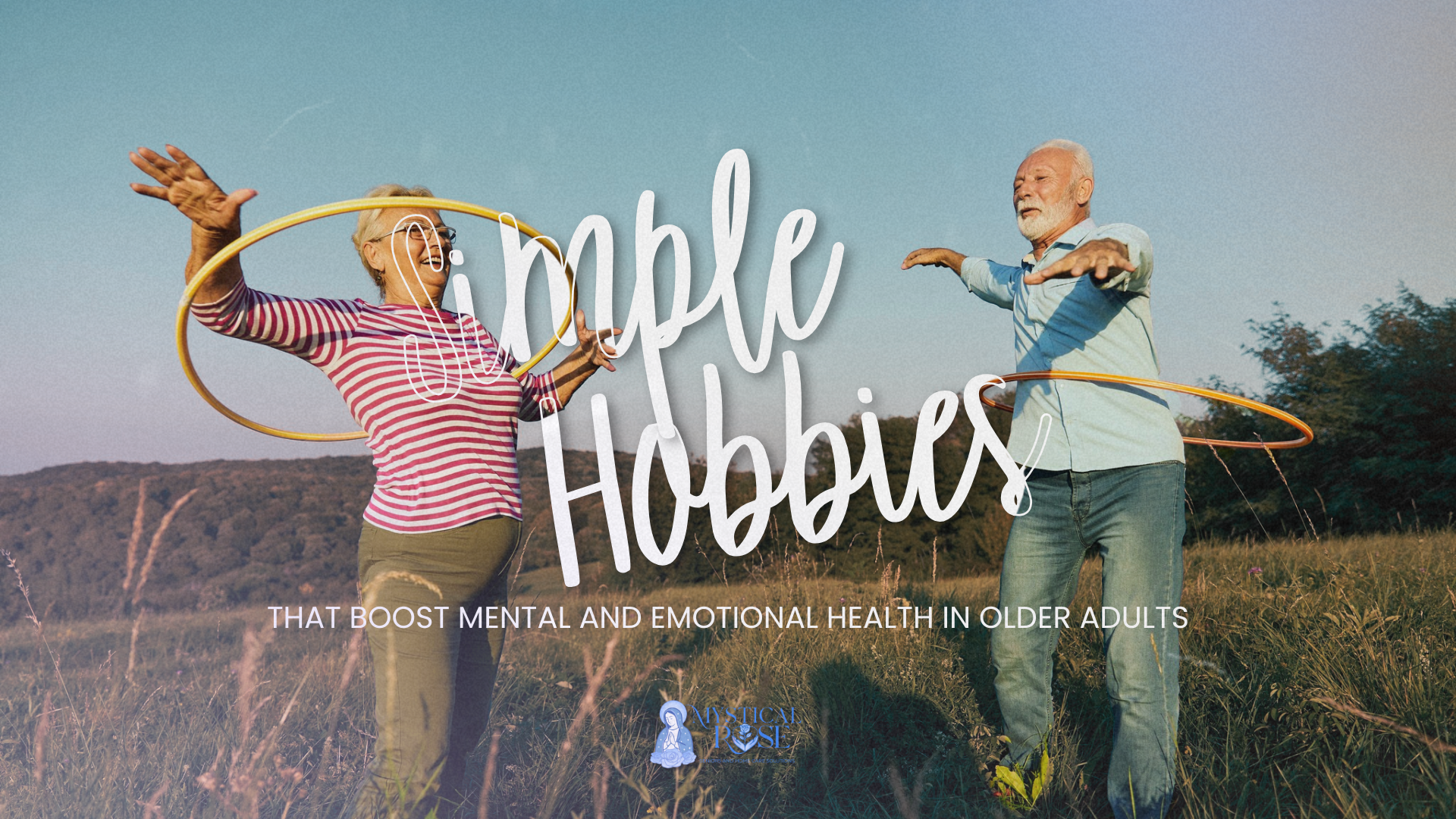
Hobbies that involve gentle movement are especially helpful for supporting emotional and mental health. Physical activity encourages the brain to release chemicals that reduce stress and improve mood. Many older adults find that light movement helps them feel more awake, cheerful, and connected to their environment.
Gardening, for example, offers both light exercise and emotional benefits. It brings a sense of care and responsibility while allowing time outdoors. Walking, whether alone or with a companion, can clear the mind and support regular routines. Even indoor movement, such as basic stretching or chair exercises, can lift spirits and improve flexibility.
What makes these activities especially valuable is that they are easy to adjust based on a person’s physical abilities. As a result, they can be enjoyed regularly without risk of injury or strain.
Hobbies That Encourage Social Connection
Older adults often experience reduced social interaction, especially after retirement or major life changes. Hobbies that involve other people can help reduce feelings of isolation while improving emotional health. Shared activities allow seniors to build friendships, feel understood, and enjoy a sense of belonging.
Here are a few examples of social hobbies that promote well-being:
- Joining a book club allows for thoughtful conversation and connection.
- Playing games, such as cards or board games, encourages interaction and mental alertness.
- Volunteering gives older adults a chance to feel needed and valued within the community.
These types of activities not only keep the brain active but also help older adults feel included and respected. Social hobbies can lead to long-term emotional rewards, including increased happiness and reduced stress.
Comforting Hobbies to Enjoy at Home
Not everyone prefers to be in social or outdoor settings. Some seniors feel most at peace with quiet activities in the comfort of their home. These hobbies offer gentle stimulation without pressure, and they help maintain a sense of calm throughout the day.
Popular relaxing hobbies include:
- Listening to music, which can trigger happy memories or soothe stress.
- Knitting or crocheting, which provides a steady rhythm and a creative goal.
- Watching nature shows or documentaries, which keeps the mind curious.
- Working on puzzles, which supports concentration and patience.
These types of hobbies offer emotional comfort and mental focus at the same time. When enjoyed regularly, they create positive habits that can make the day feel more settled and enjoyable.
Encouraging Older Adults to Get Started
Sometimes older adults hesitate to try new hobbies or return to old ones. They may doubt their abilities, feel unsure about where to begin, or think their time would be better spent elsewhere. Gentle support from family, caregivers, or peers can make a big difference.
You can help by:
- Talking about what they used to enjoy or what interests them now
- Offering materials or setting up a space where they can do the activity
- Joining them during the hobby to provide comfort and motivation
- Celebrating small progress or simply spending time together
Encouragement should always come with patience and respect. With a little support, hobbies can become a joyful part of a senior’s daily life, helping them feel more confident, active, and emotionally steady.
Conclusion
Simple hobbies have the power to improve the quality of life for older adults. Whether it’s through creativity, movement, connection, or quiet reflection, these activities support both mental clarity and emotional peace. They provide structure, joy, and meaning to each day. Encouraging seniors to engage in hobbies they enjoy is one of the most natural and effective ways to help them stay healthy and fulfilled. With the right guidance and a little inspiration, any older adult can find comfort, purpose, and happiness through the activities they love.
